Pedir perdón cuando rompes algo
Aceptar un error en casa: desde un piso rayado hasta un estante roto.
Tarde armando muebles y algo se rompe: este mazo sigue toda la reparación en orden, desde la confesión y las excusas que no son excusas hasta ofrecerte a arreglar y pagar, el mal genio que se escapó y la reconciliación con un café. Ojo: en inglés las cosas «se caen» con «I dropped it» (el sujeto es quien lo hizo), no «se me cayó» como en español. Con «should have» + participio se expresa «debí haber»: «I should have been careful». Y «mad at» es lo más común en EE. UU. para «enojado con»; «cross» suena británico.
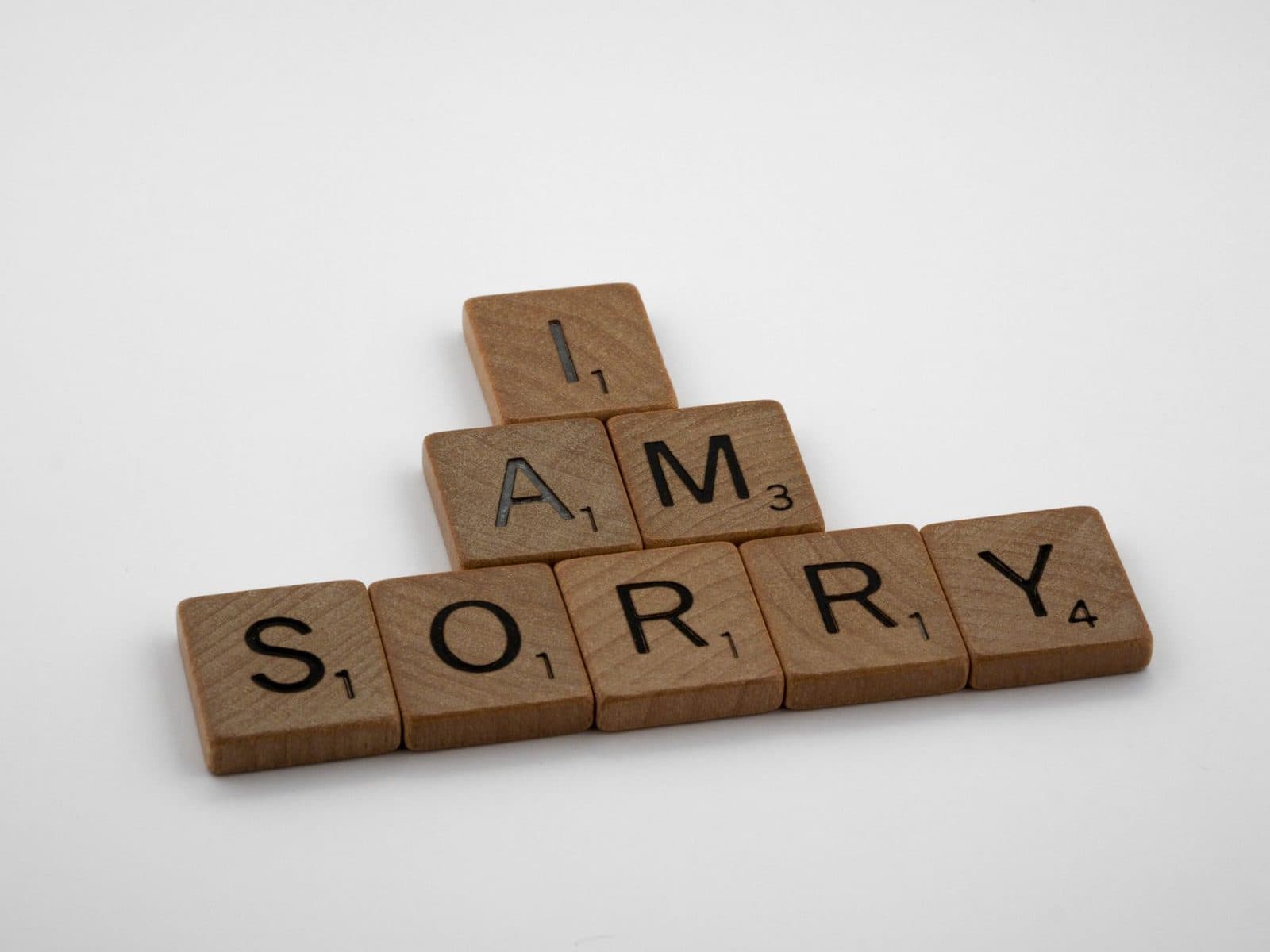
- 1
Sorry, that was me.
Perdón, fui yo.
- 2
I dropped it.
Se me cayó.
- 3
I didn't mean to.
No fue mi intención.
- 4
It slipped out of my hands.
Se me resbaló de las manos.
- 5
Is anyone hurt?
¿Alguien salió lastimado?
- 6
No, just the vase.
No, solo el florero.
- 7
I've scratched the floor.
Rayé el piso.
- 8
I've made a hole in the wall.
Le hice un agujero a la pared.
- 9
I've cracked the glass.
Rompí el vidrio.
- 10
Don't touch it, I'll sweep up.
No lo toques, yo barro.
- 11
Sorry for the mess.
Perdón por el desorden.
- 12
I'll clean it up.
Yo lo limpio.
- 13
That was stupid of me.
Qué tonto fui.
- 14
I should have been more careful.
Debí haber tenido más cuidado.
- 15
I'll pay for it, obviously.
Yo lo pago, por supuesto.
- 16
I'll fix it, I promise.
Yo lo arreglo, te lo prometo.
- 17
Let's just order a new part.
Mejor pidamos una pieza nueva.
- 18
I'll take responsibility for it.
Yo me hago responsable.
- 19
Are you mad at me?
¿Estás enojado conmigo?
- 20
I feel really bad about it.
Me siento muy mal por eso.
- 21
It's not the end of the world.
No es el fin del mundo.
- 22
Don't worry about it.
No te preocupes por eso.
- 23
It could happen to anyone.
Le puede pasar a cualquiera.
- 24
No harm done, really.
No pasó nada grave, en serio.
- 25
Sorry I lost my temper.
Perdón por haberme enojado.
- 26
I shouldn't have snapped.
No debí haberte contestado así.
- 27
You were right, I was wrong.
Tenías razón, me equivoqué yo.
- 28
Let's take a break instead.
Mejor hagamos una pausa.
- 29
Thanks for being patient.
Gracias por tener paciencia.
- 30
We're fine, aren't we?
Estamos bien, ¿verdad?
- 31
All good.
Todo bien.
- 32
I'll patch it before we move the cabinet.
Tapo el hoyo antes de que movamos el mueble.
- 33
Was it valuable?
¿Tenía valor?
- 34
It was my grandmother's.
Era de mi abuela.
- 35
Oh no, I'm so sorry.
Ay no, lo siento muchísimo.
- 36
It's just a thing.
Es solo una cosa.
- 37
That's kind, but still.
Qué amable, pero igual.
- 38
Can it be glued?
¿Se puede pegar?
- 39
Maybe, we'll try.
Tal vez, vamos a intentarlo.
- 40
I'd like to replace it.
Quisiera reponerlo.
- 41
You really don't have to.
De verdad no tienes que hacerlo.
- 42
Let me make it up to you.
Déjame compensarte de alguna manera.
- 43
Buy me a coffee, then.
Entonces invítame un café.
- 44
That's a deal.
Trato hecho.
- 45
Are we good?
¿Estamos en paz?
- 46
We were never not good.
Nunca dejamos de estarlo.