Alındın mı? Rows, sulks and making up
Argue with your partner about family, vent to a friend, then apologise and make up the Turkish way.
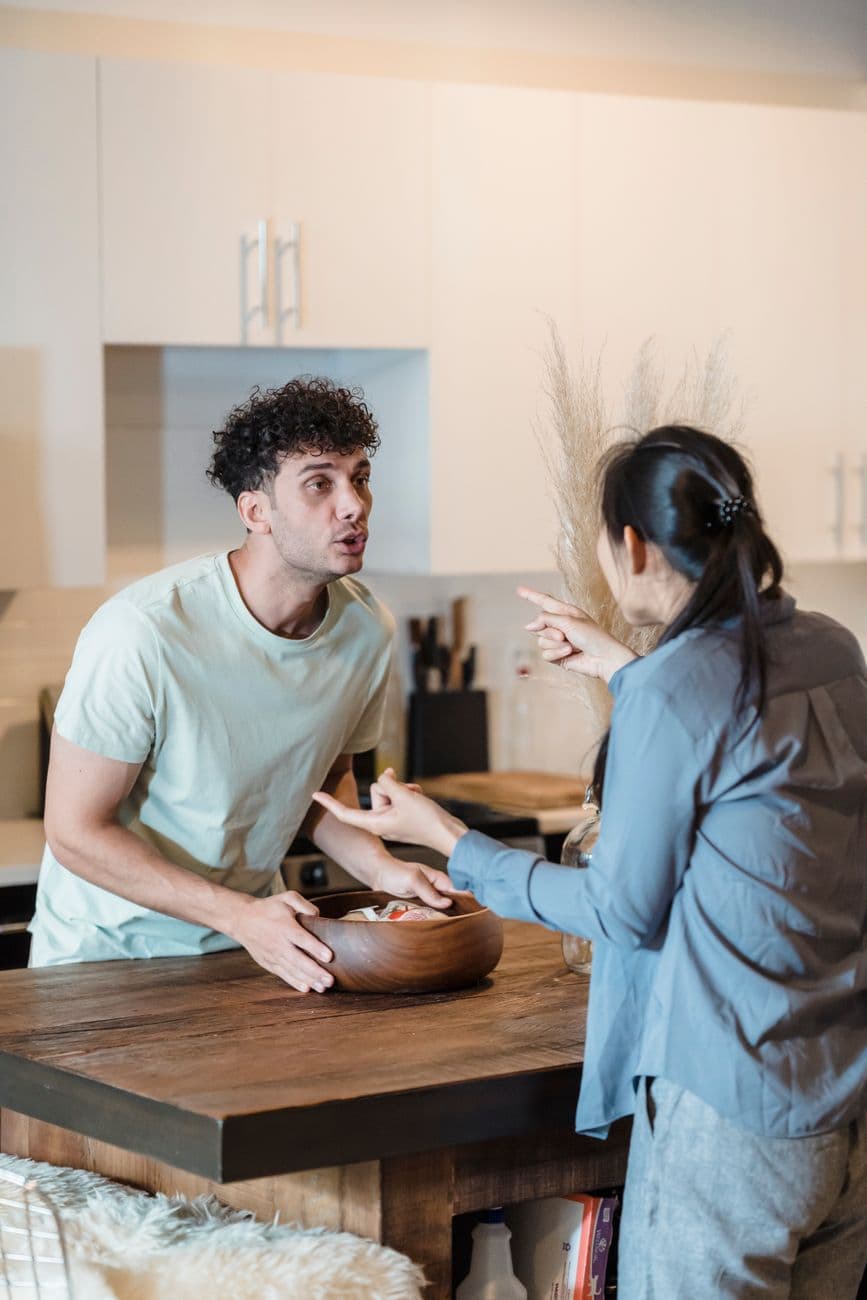
Family is close in Turkey: parents and in-laws often live nearby, drop in and have opinions, so small rows are part of life. People rarely shout it out with outsiders; instead they küsmek, stop speaking for a while, until someone steps in or one side apologises and they barışmak, make up. Gelin–kaynana (daughter-in-law and mother-in-law) jokes are a national classic, but they're told with affection, so keep them light.
- 1
Dün akşam fena tartıştık.
We had a bad argument last night.
- 2
Söylediklerine çok kırıldım.
I was really hurt by what you said.
- 3
Alındın mı?
Are you offended?
- 4
İkisi birbirine küs.
The two of them aren't speaking to each other.
- 5
Sen araya girme.
Don't you get involved.
- 6
Hadi barışalım.
Come on, let's make up.
- 7
Öyle demek istemedim.
I didn't mean it like that.
- 8
Sakin sakin konuşalım.
Let's talk it over calmly.
- 9
İçine atma.
Don't bottle it up.
- 10
Kayınvalidem her şeye karışıyor.
My mother-in-law interferes in everything.
- 11
Aslında iyi niyetli.
Actually, she means well.
- 12
Hep onun tarafını tutuyorsun!
You always take her side!
- 13
Olan oldu, geçmişe sünger çekelim.
What's done is done, let's wipe the slate clean.
- 14
Et tırnaktan ayrılmaz.
Blood is thicker than water.
- 15
Özür dilerim, haksızdım.
I'm sorry, I was wrong.
- 16
Bunun için küsmeye değmez.
It's not worth falling out over this.
- 17
Her ailede olur böyle şeyler.
This sort of thing happens in every family.
- 18
Kedi köpek gibiler.
They fight like cat and dog.
- 19
Sakinleşince tekrar konuşuruz.
Once we've calmed down, we'll talk again.
- 20
Sonunda barıştık!
We finally made up!