Lattjo, ballt, sjukt: Swedish Slang Across Generations
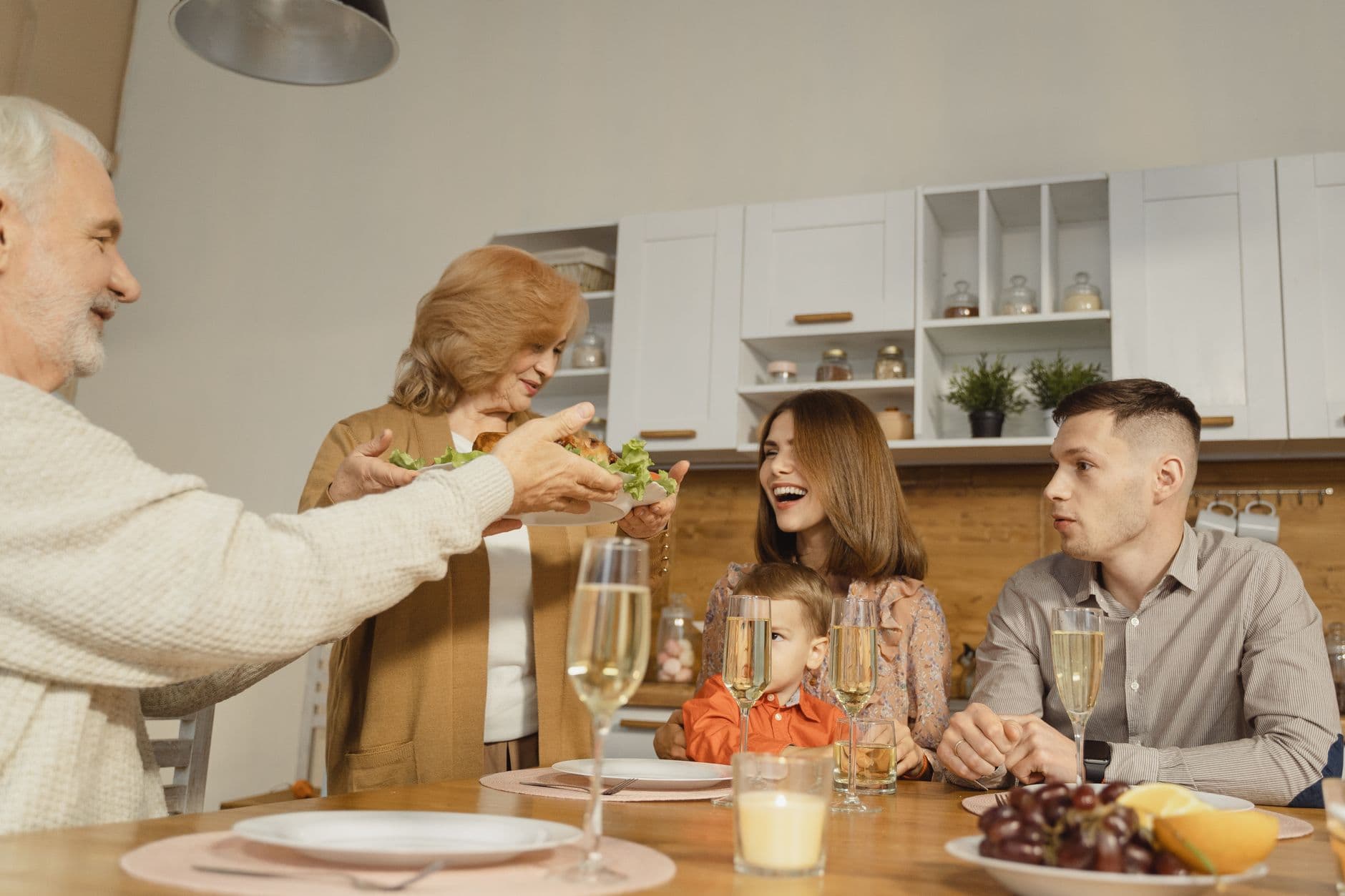
Three generations at one dinner table: what grandparents, parents and teenagers say for cool, bad, money, police and friends, and how each word dates the speaker.
The word a Swede uses for cool tells you roughly when they were young: lattjo and snajdig for grandparents, tufft and fräckt for the sixties and seventies, häftigt and ballt for the eighties and nineties, fett and asbra around 2000, sjukt, najs and keff today. Many current teenage words come from the multilingual suburbs (keff, aina, para, jalla). Every front says who uses the word. Understand them all; use slang yourself only when your own friends do.
- 1
Det var helt sjukt!
That was amazing! (teens and young adults now)
Tip: The word for 'ill', but as a reaction it's pure praise.
- 2
Hon är grym på gitarr.
She's brilliant at guitar. (all ages under 50)
Tip: The word once meant cruel; now it means excellent at something.
- 3
Det var fett bra.
That was seriously good. (people who were teens around 2000)
Tip: 'Fat' as an intensifier peaked in the 90s and 2000s.
- 4
Det var asbra!
It was super good! (2000s teens, now a bit dated)
Tip: As- as a prefix boosts any adjective: asgott, askul.
- 5
Vad lattjo!
How fun! (grandparents' word)
Tip: Old-fashioned and warm; teenagers find it sweet.
- 6
Vad tufft!
How cool! (people who were young in the 60s and 70s)
Tip: Today the word more often means tough or hard.
- 7
Vad fräckt!
How cool! (60s–80s, now a bit dated)
Tip: The word also means cheeky; as praise it sounds retro.
- 8
Vad häftigt!
How awesome! (people who grew up in the 80s)
Tip: Still used by parents; teenagers hear it as old.
- 9
Vad ballt!
How cool! (80s–90s kids)
Tip: Sounds like a parent trying to be young.
- 10
Filmen var så keff.
The film was so bad. (teens, from suburban slang)
Tip: Means lousy or boring; widely used by young people.
- 11
Aina kom.
The cops showed up. (teens, from suburban slang)
Tip: Slang for the police; not used when talking to an officer.
- 12
Snuten kom.
The cops came. (older slang, 70s–90s)
Tip: The older slang word; slightly disrespectful.
- 13
Det är lent.
It's all good, it's chill. (teens)
Tip: The adjective means smooth or soft; here it means relaxed, no problem.
- 14
Det verkar lite mysko.
That seems a bit fishy. (older, 60s–80s)
Tip: Suspicious or odd; teenagers find it funny.
- 15
Jag har inga para.
I've got no money. (teens, from suburban slang)
Tip: The money word comes from Turkish.
- 16
Jag har inga stålar.
I've got no cash. (older slang)
Tip: The parents' and grandparents' slang for money.
- 17
Jag ska gå med min bästis.
I'm going with my best friend. (all ages under 40)
Tip: Short for 'best mate'; used by children and adults.
- 18
Han är en gammal polare.
He's an old mate. (people over 40)
Tip: A friend, usually male; sounds a bit dated to teenagers.
- 19
Hon är en gammal väninna till mej.
She's an old friend of mine. (older women)
Tip: A female friend; younger people say tjejkompis or just kompis.
- 20
Jag har tjejkväll på torsdag.
I'm having a girls' night on Thursday. (women of all ages)
Tip: Tjej is neutral for women of any age, so grandmothers have these too.
- 21
Vad snajdig du är idag!
You look smart today! (old-fashioned, grandparents)
Tip: Dapper, well-dressed; almost only heard from older people.
- 22
Vad läckert!
How stylish! (70s–90s)
Tip: About clothes, cars or design; also used for tasty food.
- 23
Han flexar med sin nya klocka.
He's showing off his new watch. (teens and young adults)
Tip: Borrowed from English, with Swedish verb endings.
- 24
Så töntigt!
That's so lame! (since the 80s)
Tip: En tönt is a dork; all generations still use it.
- 25
Det var så cringe.
That was so cringe. (teens)
Tip: Straight from English; the Swedish word is pinsamt.
- 26
Vem är bruden på bilden?
Who's the girl in the picture? (90s slang, now sounds dated and a bit sexist)
Tip: The word also means bride; as slang for a girl it's best avoided.
- 27
Det låter så gubbigt.
That sounds so old-man-ish. (teens about their parents)
Tip: From the word for old man: old-fashioned, uncool.
- 28
Farsan lånade bilen.
My old man borrowed the car. (older slang)
Tip: Slang for dad (mum is morsan); a bit retro today.
- 29
Ska vi käka?
Shall we eat? (casual, all ages)
Tip: Everyday slang for eat; not for formal dinners.
- 30
Den var äckligt god.
It was disgustingly good! (teens)
Tip: Literally 'disgustingly', but as an intensifier it means 'insanely'.
- 31
Vad najs!
How nice! (younger and middle-aged)
Tip: English nice, spelled the Swedish way.
- 32
Jag kirrar det.
I'll sort it out. (casual, all ages)
Tip: Colloquial verb for fix or arrange.
- 33
Det var schysst av dej.
That was decent of you. (all ages)
Tip: Fair, kind or nice; one of the few slang words every generation shares.
- 34
Fröken sa att vi skulle ta med matsäck.
Miss said we should bring a packed lunch. (what older generations called the teacher)
Tip: Small children still sometimes say it; most say the teacher's first name.
- 35
Ska vi hänga ikväll?
Do you want to hang out tonight? (teens and young adults)
Tip: Without a particle the verb means spend time together.
- 36
Toppen!
Great! (all ages, a bit parent-like)
Tip: Neutral and friendly; teenagers rarely say it.
- 37
Jalla, vi drar!
Come on, let's go! (teens, from Arabic, now widespread)
Tip: Means hurry up; even some parents say it now.
- 38
Jag taggar nu.
I'm heading off now. (teens)
Tip: Here the verb means leave; as an adjective it means excited.