Coalitions, Cabinets and the Tweede Kamer: Talking Politics
Follow and discuss Dutch politics calmly: elections, coalitions, the cabinet and local decisions.
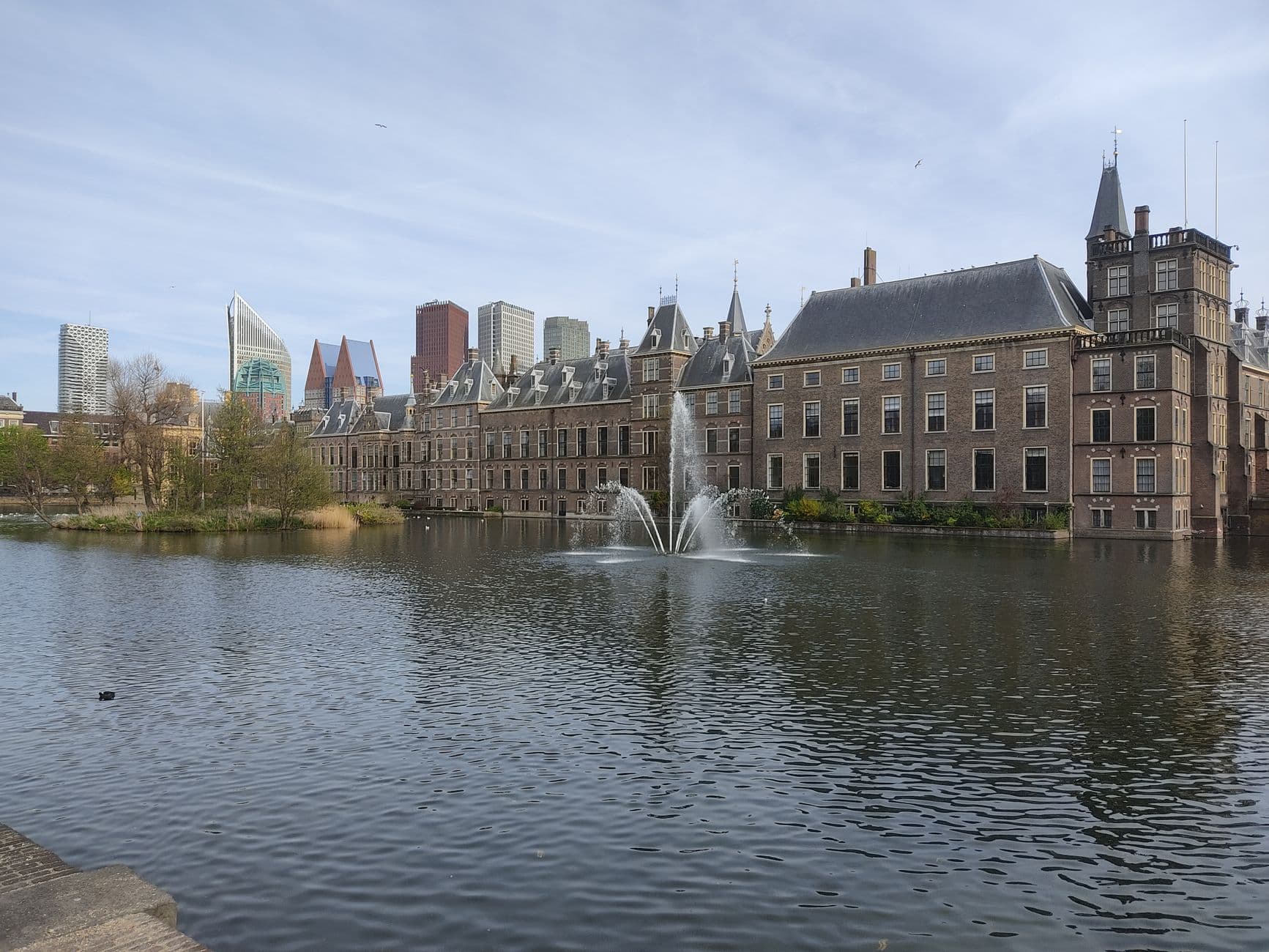
The Netherlands has a parliament of two chambers: the Tweede Kamer, with 150 seats elected directly, and the Eerste Kamer. Because no party ever wins a majority, several parties form a coalitie after long talks called de formatie, and the resulting kabinet is led by the minister-president. Cabinets regularly fall before their four years are up, which leads to early elections. Non-Dutch residents can't vote for the Tweede Kamer, but EU citizens, and other residents after several years of legal residence, can vote in the municipal elections, the gemeenteraadsverkiezingen.
- 1
Volg jij de verkiezingen een beetje?
Are you following the elections?
- 2
De verkiezingen zijn in maart.
The elections are in March.
- 3
Geen enkele partij heeft een meerderheid.
No party has a majority.
- 4
Ze moeten een coalitie vormen.
They have to form a coalition.
- 5
De formatie duurt weer eindeloos.
The formation is taking ages again.
- 6
Het kabinet is gevallen.
The cabinet has fallen.
- 7
Wie is nu de minister-president?
Who's the prime minister now?
- 8
De Tweede Kamer heeft er gisteren over gestemd.
The Tweede Kamer voted on it yesterday.
- 9
Het voorstel is aangenomen.
The proposal was adopted.
- 10
Wat vind jij van de nieuwe plannen?
What do you think of the new plans?
- 11
Ik zeg liever niet op wie ik stem.
I'd rather not say who I vote for.
- 12
Ik mag stemmen bij de gemeenteraadsverkiezingen.
I can vote in the municipal elections.
- 13
Mijn stempas is binnengekomen.
My polling card came in the post.
Tip: You need it, plus ID, to vote.
- 14
De gemeenteraad heeft besloten dat de straat autovrij wordt.
The council decided that the street will be car-free.
- 15
Iedereen heeft recht op een eigen mening.
Everyone has the right to their own opinion.
- 16
Ik vind het lastig te volgen, omdat er zoveel partijen zijn.
I find it hard to follow, because there are so many parties.
- 17
Laten we het over iets anders hebben.
Let's talk about something else.
Tip: Steering away from a heated topic.
- 18
Dat is een gevoelig onderwerp.
That's a sensitive subject.
- 19
Er is vanavond een debat op tv.
There's a debate on TV tonight.
- 20
De opkomst was deze keer hoog.
Turnout was high this time.